Introduction
Choosing the perfect outfit can feel overwhelming, especially with endless styles, trends, and occasions to consider. Whether you’re dressing for a casual day out, a professional meeting, or a special event, selecting an outfit that suits your body, style, and the occasion is key to looking and feeling confident. In this guide, we’ll walk you through practical steps, tips, and insider advice to help you master the art of dressing perfectly every time.
Understanding Your Personal Style
Your personal style is the foundation for choosing the perfect outfit. It reflects your personality, lifestyle, and how you want to be perceived by others.
Identify Your Preferences
Take note of the colors, patterns, and fabrics you naturally gravitate toward. Do you prefer bold prints, classic neutrals, or minimalist designs? Knowing this helps narrow down choices and ensures consistency in your wardrobe.
Consider Your Lifestyle
Your daily activities influence what’s practical and stylish. For instance, a professional in an office may need tailored suits, while someone working remotely might prioritize comfort and versatile pieces.
Find Style Inspiration
Look for inspiration from fashion blogs, magazines, social media, and celebrities whose style resonates with you. Save outfits that appeal to you and analyze why they feel right.
Dressing for Your Body Type
Understanding your body shape helps highlight your strengths and creates a balanced silhouette.

Determine Your Body Shape
Common body shapes include pear, apple, hourglass, rectangle, and inverted triangle. Observing your proportions will guide the types of clothing that flatter you best.
Emphasize Your Best Features
For example, if you have a defined waist, choose outfits that cinch in that area. If your legs are a strong feature, try skirts or tailored pants that draw attention downward.
Avoid Ill-Fitting Clothes
Wearing the wrong size or cut can ruin even the most stylish outfit. Always try clothes on and pay attention to how they fit around shoulders, waist, and hips.
Choosing the Right Colors
Colors play a huge role in how your outfit looks and how others perceive you.
Identify Your Color Palette
Determine whether you have a warm, cool, or neutral undertone. This will guide your choices in clothing and accessories, ensuring that colors complement your skin tone naturally.
Balance Bright and Neutral Colors
Pair bold hues with neutral pieces to avoid overwhelming your look. For instance, a bright blouse can be balanced with black or beige trousers.
Consider the Occasion
Certain colors work better in specific settings. Darker, muted colors often suit professional or formal events, while vibrant shades are ideal for casual or festive occasions.
Selecting the Right Fit and Fabric
Fabric type and fit can make a significant difference in comfort and style.
Prioritize Comfort
Even the most fashionable outfit won’t look good if it’s uncomfortable. Choose fabrics that feel good against your skin and allow freedom of movement.
Understand Fabric Types
Cotton, linen, silk, wool, and synthetics each have their benefits. Cotton and linen are breathable for everyday wear, while silk and wool add elegance for formal events.
Tailoring Matters
Tailored pieces look polished and fit better than off-the-rack clothes. Investing in minor adjustments like hemming or taking in a waistline can elevate any outfit.
Dressing for the Occasion
Choosing the perfect outfit requires understanding the event’s dress code and atmosphere.
Casual Events
Casual outfits can be stylish yet comfortable. Think jeans paired with chic tops, casual dresses, or versatile sneakers.
Work and Professional Settings
Professional attire should convey confidence and competence. Opt for blazers, tailored pants, pencil skirts, or classic button-down shirts.
Special Occasions
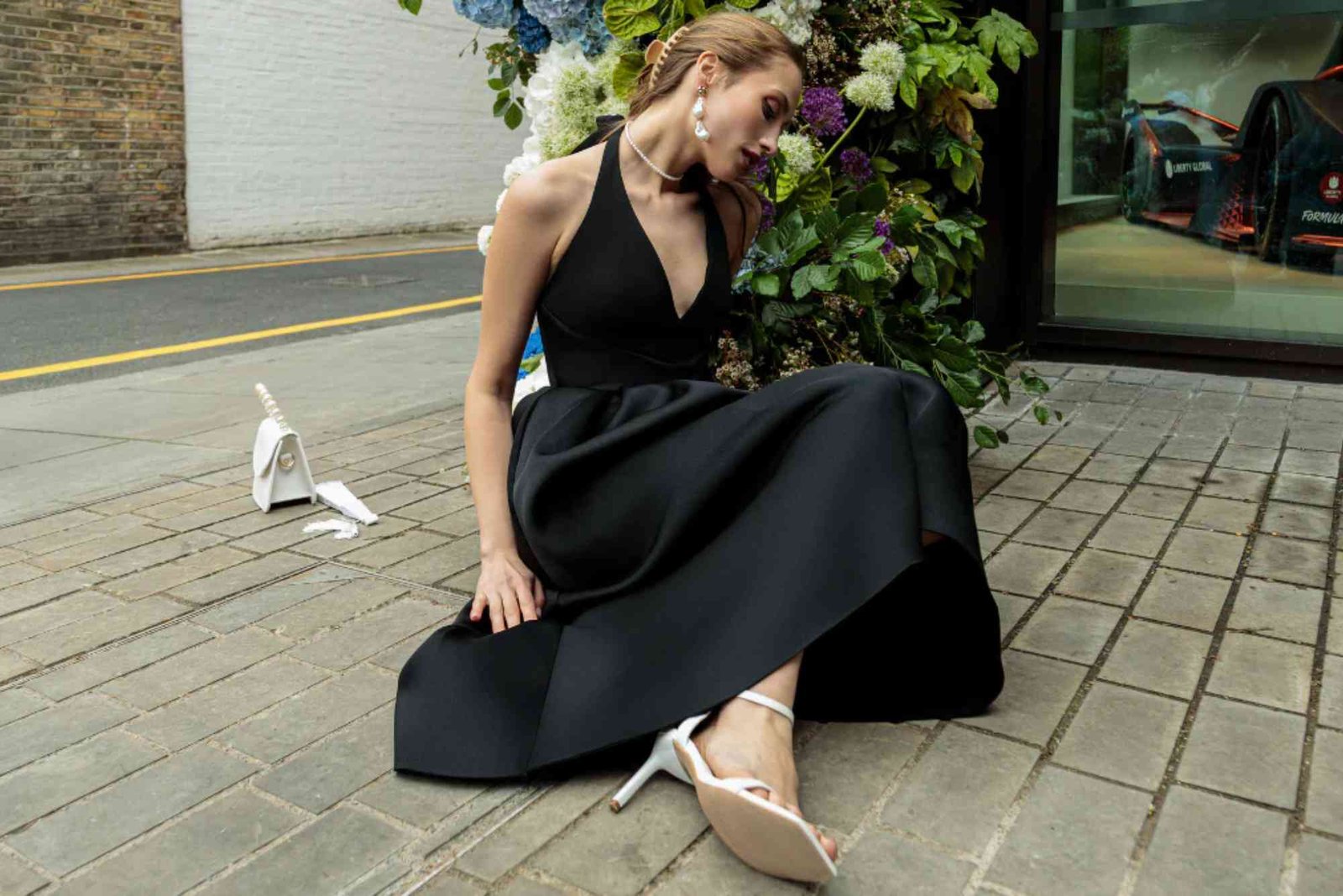
For parties, weddings, or formal dinners, prioritize elegance. Evening gowns, cocktail dresses, or well-fitted suits are usually appropriate. Accessories and shoes complete the look.
Accessorizing to Enhance Your Outfit
Accessories are the finishing touch that can transform an outfit from ordinary to extraordinary.
Choose Statement Pieces Wisely
Bold jewelry, scarves, or belts can draw attention to focal points. Make sure not to over-accessorize; balance is key.
Match Shoes and Bags
Coordinate shoes and bags with the color palette and style of your outfit. Neutral options like black, white, or nude work with almost anything.
Consider Seasonal Accessories
Hats, sunglasses, or layered jewelry can add personality and practicality depending on the season.
Common Mistakes to Avoid
Avoiding certain pitfalls can save you from outfit disasters.
- Ignoring Fit: Don’t compromise comfort and proportion for style.
- Overstuffed Closet: Less is often more; quality pieces outperform cluttered wardrobes.
- Neglecting Occasion: Dressing too casually or formally can send the wrong message.
- Too Many Trends: Following every trend can make outfits feel forced. Stick to pieces that fit your style.
Choosing the perfect outfit is an art that combines personal style, body shape, color coordination, and occasion awareness. By understanding your preferences and following these practical tips, you can confidently dress for any setting and make a lasting impression. Start building a wardrobe that reflects your unique style today!
FAQs
How do I pick an outfit that flatters my body type?
Identify your body shape, highlight your best features, and choose cuts that balance your proportions. Tailored clothing always enhances your silhouette.
What colors should I wear for my skin tone?
Warm undertones pair well with earthy shades, cool undertones suit jewel tones, and neutral undertones have flexibility with most colors.
How can I dress stylishly on a budget?
Focus on versatile, quality basics and mix them with affordable statement pieces. Accessorizing wisely can also elevate simpler outfits.
What are essential wardrobe pieces everyone should own?
Classic items like a well-fitted blazer, white button-down, versatile jeans, little black dress, and neutral shoes create a flexible foundation for any outfit.
How can I make a casual outfit look more put-together?
Add tailored elements, structured accessories, and clean, polished shoes. Layering and coordinating colors can also upgrade casual looks.