
Introduction
Choosing the right foods consistently can feel overwhelming — especially with conflicting info online, fad diets, and tempting junk food everywhere. But smart food choices don’t have to be complicated. With the right mindset, simple strategies, and practical habits, you can nourish your body daily and build lifelong healthy eating patterns.
In this guide, you’ll learn how to make smart food decisions every day that support your energy, mood, immunity, and long-term health — without giving up enjoyment.
Why Smart Food Choices Matter
Eating well is more than just following a trend — it’s about fueling your body so you can feel, think, and perform at your best.
The Real Impact of Food on Your Body
Smart food choices influence:
- Energy levels: Balanced meals stabilize blood sugar so you avoid mid-afternoon crashes.
- Immune system: Nutrient-rich foods help your body fight infections and inflammation.
- Brain health: Healthy fats, vitamins, and antioxidants support memory and focus.
- Mood regulation: Foods affect neurotransmitters like serotonin, impacting how you feel.
Making mindful choices every day can also prevent chronic diseases like heart disease, diabetes, and certain cancers.
How to Make Smart Food Choices Every Day
Here’s a practical, step-by-step approach you can start applying today.

Start With Real, Whole Foods
Whole foods are foods that are as close to their natural state as possible.
What to Focus On:
- Fruits and vegetables
- Whole grains (brown rice, oats, quinoa)
- Lean proteins (chicken, fish, beans, lentils)
- Healthy fats (avocado, nuts, seeds, olive oil)
These foods are packed with nutrients your body needs — like fiber, vitamins, minerals, and antioxidants.
Tip: Fill half your plate with vegetables at lunch and dinner.
Understand Food Labels
Reading food labels helps you avoid hidden sugars, unhealthy fats, and excessive sodium.
What to Look For:
- Serving size: Compare with how much you actually eat.
- Sugar: Aim for low added sugars.
- Ingredients List: Shorter lists with recognizable items are best.
- Fiber: Higher fiber usually means more nutrients and better digestion.
Avoid: “Partially hydrogenated oils” — it means trans fats.
Reduce Added Sugars and Processed Foods
Sugary drinks and highly processed snacks may taste good but offer little nutrition.
Common Sources to Watch:
- Soda, fruit drinks, energy drinks
- Sweetened cereals and pastries
- Packaged snacks like chips and cookies
Smart Swap: Replace soda with sparkling water plus a splash of fruit juice.
Prepare Meals at Home More Often
Cooking at home gives you control over ingredients, portions, and quality.
Easy Ways to Get Started:
- Meal prep on weekends
- Batch-cook soups, stews, and grain bowls
- Keep staples like eggs, beans, rice, and frozen veggies on hand
Pro tip: Start with one “cook at home” day per week and build from there.
Balance Your Plate
A balanced plate includes carbs, protein, and healthy fats — all in the right proportions.
Simple Balanced Plate Rule:
- Half vegetables or salad
- Quarter lean protein
- Quarter whole grains or starchy veggies
- Small amount of healthy fat
This keeps you full longer and helps maintain stable blood sugar.
Stay Hydrated
Water plays a key role in digestion, energy, and hunger cues.
Hydration Tips:
- Start your day with a glass of water
- Carry a reusable water bottle
- Drink before meals — hunger can sometimes be thirst
Goal: Aim for 6–8 glasses per day (more if active or hot weather).
Smart Grocery Shopping Strategies
Making smart food choices starts before you even walk through the door.
Shop With a List
Impulse buys often mean unhealthy choices.
Create your list based on:
- Weekly meal plan
- Healthy snacks
- Staple items (whole grains, proteins, veggies)
Avoid Shopping Hungry
You’re more likely to grab processed, high-calorie foods when you’re hungry.
Tip: Eat a small snack before shopping — like fruits or yogurt.
Stick to the Perimeter
Most grocery stores place whole foods like produce, meat, dairy, and grains around the outside aisles.
Stay mostly on the perimeter for nutrient-dense picks.
Smart Eating Habits for Daily Success
Even with healthy foods available, habits matter.
Eat Regular Meals
Skipping meals can lead to overeating later.
Try this schedule:
- Breakfast
- Lunch
- Dinner
- Optional healthy snacks in between
Consistent meals help balance hunger and energy.
Practice Mindful Eating
This means eating with attention — not while scrolling your phone or in front of the TV.
Mindful Habits:
- Slow down and chew thoroughly
- Notice flavors and textures
- Pause between bites
Mindful eating prevents overeating and strengthens hunger awareness.
Don’t Fear All Fats
Healthy fats are essential!
Good sources include:
- Nuts and seeds
- Olive oil
- Avocado
- Fatty fish like salmon
These fats support brain function and keep you satisfied.
Meal Ideas to Help You Make Smart Food Choices
Here are some quick, nutrient-rich options you can try:
Breakfast:
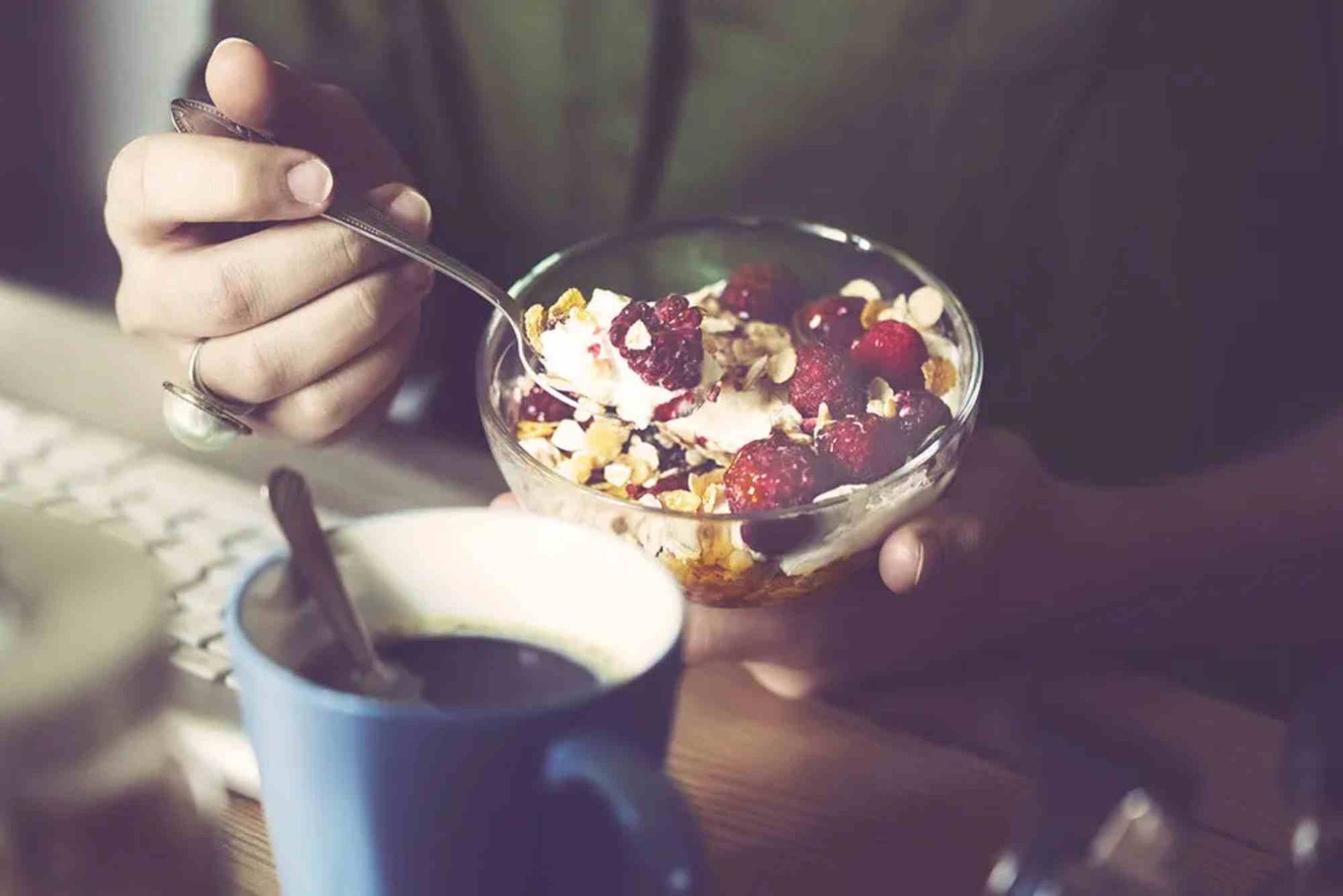
- Greek yogurt bowl with berries + chia
- Oats with banana + almonds
- Veggie omelet with spinach + peppers
Lunch:
- Grilled chicken salad with quinoa
- Whole grain wrap with hummus + veggies
- Lentil soup with side greens
Dinner:
- Baked salmon with sweet potato + broccoli
- Stir-fried tofu with brown rice + mixed veggies
- Turkey chili with beans
Snacks:
- Apple slices with peanut butter
- Carrots + hummus
- Handful of nuts
Common Mistakes When Trying to Eat Better
Even with good intentions, we sometimes fall into traps. Avoid these:
White-Knuckle Restriction
Cutting out entire food groups can backfire. Aim for balance instead of exclusion.
Label Obsession
Words like “low-fat” or “gluten-free” don’t always mean healthy. Always check ingredients.
Comparing Yourself to Others
Everyone’s needs are different — trust what works for you.
Track Progress, Not Perfection
Making smart food choices is a journey, not an instant result.
Helpful Tools:
- Food journals
- Habit trackers
- Meal planning apps
Celebrate small wins — like eating three balanced meals in a day or choosing veggies at lunch.
FAQs
What are the easiest ways to make smart food choices every day?
Start with whole foods, read labels, plan meals ahead, and stay hydrated. Simple habits build consistency.
How can I avoid overeating at night?
Eat balanced meals during the day and include protein + fiber. Drink water and practice mindful eating in the evening.
Are snacks helpful for smart eating?
Yes — if chosen wisely. Healthy snacks like fruit, yogurt, or nuts keep hunger at bay and prevent bingeing.
How do I make smart food choices on a budget?
Buy seasonal produce, cook at home, and choose versatile staples like beans and oats.
Can smart food choices help with weight management?
Absolutely. When you choose nutrient-dense foods regularly and balance your plate, it supports healthy weight over time.
Learning how to make smart food choices every day isn’t about perfection — it’s about progress. With practical habits, real foods, and consistent action, you can fuel your body in a way that feels good and supports your long-term health.