
Introduction
Taking care of your vehicle throughout the year is not just about fixing problems when they appear—it’s about building consistent habits that protect your car in every season. Whether it’s scorching summer heat, heavy monsoon rains, or freezing winter mornings, adopting the right Top Automobile Habits for Better Seasonal Vehicle Care can significantly extend your vehicle’s life, improve performance, and reduce long-term repair costs.
Modern vehicles are built to handle different weather conditions, but they still require human attention and timely maintenance. In this guide, we’ll explore practical, expert-level habits that every driver should follow to keep their car in peak condition all year round.
Why Seasonal Vehicle Care Matters
Seasonal changes affect almost every part of your vehicle—engine, tires, battery, fluids, and even paint. Ignoring these changes can lead to reduced efficiency, safety risks, and costly repairs.
Adopting Top Automobile Habits for Better Seasonal Vehicle Care ensures that your car adapts smoothly to changing weather conditions instead of struggling with them.
Key Impacts of Weather on Vehicles
- Extreme heat can damage battery life and tire pressure
- Cold weather can thicken engine oil and reduce performance
- Rain and humidity increase rust and brake wear
- Dusty conditions clog air filters and reduce mileage
Understanding these risks helps you stay proactive instead of reactive.
Habit 1 – Regular Seasonal Inspection Routine
One of the most important Top Automobile Habits for Better Seasonal Vehicle Care is performing seasonal inspections before weather changes.
What to Check in Each Season
- Summer: Coolant level, AC system, tire pressure
- Winter: Battery strength, antifreeze levels, heater performance
- Monsoon: Wiper blades, brakes, tire tread
- Spring/Fall: General fluid levels and filter condition
A quick inspection every few months can prevent major breakdowns and improve safety.
Habit 2 – Maintain Proper Tire Health Year-Round
Tires are the only contact point between your car and the road, making them critical in seasonal safety.
Seasonal Tire Care Tips
- Check tire pressure monthly
- Rotate tires every 8,000–10,000 km
- Replace worn-out or uneven tires immediately
- Use season-appropriate tires if needed
Temperature changes directly affect tire pressure, so this habit is a core part of Top Automobile Habits for Better Seasonal Vehicle Care.
Habit 3 – Keep Engine Fluids in Check
Your car depends on multiple fluids to function smoothly, and each season affects them differently.
Essential Fluids to Monitor
- Engine oil
- Coolant/antifreeze
- Brake fluid
- Transmission fluid
- Windshield washer fluid
Low or contaminated fluids can cause overheating, poor braking, or engine damage. Checking fluids regularly is a simple yet powerful part of Top Automobile Habits for Better Seasonal Vehicle Care.
Habit 4 – Protect Your Battery from Temperature Extremes
Car batteries are sensitive to weather conditions, especially extreme heat and cold.
Battery Maintenance Tips
- Clean terminals to prevent corrosion
- Avoid leaving electronics running when engine is off
- Test battery health before winter
- Replace weak batteries early
A weak battery often fails during seasonal transitions, making this habit essential in Top Automobile Habits for Better Seasonal Vehicle Care.
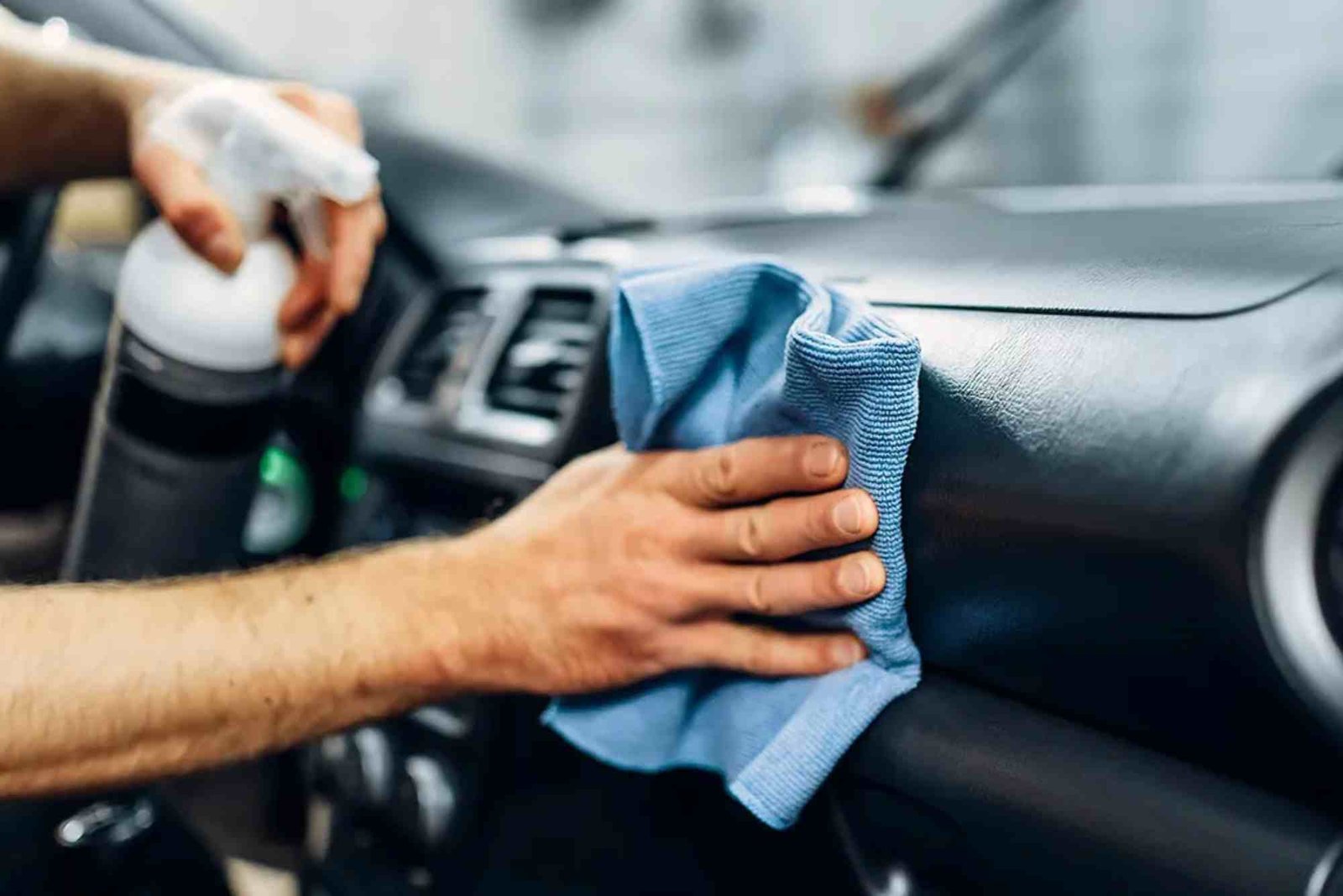
Habit 5 – Seasonal Cleaning and Exterior Protection
Your car’s exterior faces constant exposure to dust, rain, sun, and pollution.
Why Cleaning Matters
- Prevents rust and corrosion
- Maintains paint quality
- Improves resale value
- Enhances visibility and safety
Seasonal Cleaning Routine
- Wash your car weekly in dusty or rainy seasons
- Apply wax before summer and winter
- Clean underbody after heavy rains
- Use sunshades during peak heat
Keeping your car clean is not just cosmetic—it’s a protective measure in Top Automobile Habits for Better Seasonal Vehicle Care.
Habit 6 – Adjust Driving Style According to Season
Driving behavior has a major impact on vehicle health.
Seasonal Driving Adjustments
- Drive slower on wet or icy roads
- Avoid sudden braking in rain
- Reduce speed during extreme heat
- Warm up the engine in cold weather
Smooth driving reduces wear and tear and is a key element of Top Automobile Habits for Better Seasonal Vehicle Care.
Habit 7 – Replace Filters Regularly
Air and fuel filters play a crucial role in engine efficiency.
Types of Filters to Monitor
- Engine air filter
- Cabin air filter
- Fuel filter
Dirty filters reduce mileage and strain the engine. Replacing them regularly ensures smooth seasonal performance and supports Top Automobile Habits for Better Seasonal Vehicle Care.
Habit 8 – Prepare Emergency Seasonal Kit
Unexpected breakdowns can happen anytime, especially during extreme weather.
What to Include in Your Kit
- Jumper cables
- Spare tire and jack
- Flashlight
- Basic tools
- First-aid kit
- Water bottle and snacks
Being prepared is a smart part of Top Automobile Habits for Better Seasonal Vehicle Care, especially for long-distance travel.
Habit 9 – Keep AC and Heating Systems Functional
Comfort systems like AC and heating are essential for seasonal driving safety.
Maintenance Tips
- Service AC before summer
- Check heater before winter
- Clean vents and filters
- Recharge refrigerant when needed
A well-functioning climate system improves driving comfort and safety in all conditions.
Habit 10 – Follow Scheduled Servicing Without Delay
Routine servicing is the backbone of vehicle longevity.
Why Timely Service Matters
- Detects hidden issues early
- Improves fuel efficiency
- Extends engine life
- Maintains warranty coverage
Skipping service intervals is one of the most common mistakes drivers make. Following this habit is essential in Top Automobile Habits for Better Seasonal Vehicle Care.
Seasonal Breakdown of Vehicle Care Tips
Summer Care
- Monitor engine temperature
- Park in shaded areas
- Check coolant frequently
Winter Care
- Warm up engine before driving
- Use antifreeze solutions
- Keep battery fully charged
Monsoon Care
- Inspect brakes regularly
- Ensure proper tire grip
- Avoid waterlogged roads
Each season requires slightly different attention, reinforcing the importance of Top Automobile Habits for Better Seasonal Vehicle Care.
Common Mistakes Drivers Make
Even experienced drivers sometimes overlook basic maintenance habits.
Mistakes to Avoid
- Ignoring warning lights
- Delaying oil changes
- Overlooking tire pressure
- Skipping seasonal inspections
- Using wrong engine fluids
Avoiding these mistakes helps you get the most out of Top Automobile Habits for Better Seasonal Vehicle Care.
Benefits of Following Seasonal Vehicle Care Habits
Adopting consistent habits offers long-term advantages.
Key Benefits
- Better fuel efficiency
- Fewer unexpected breakdowns
- Increased safety
- Lower maintenance costs
- Longer vehicle lifespan
These benefits clearly show why Top Automobile Habits for Better Seasonal Vehicle Care are essential for every driver.
Build Smart Driving Habits for Long-Term Benefits
Taking care of your car is not a one-time task—it’s a continuous responsibility shaped by changing seasons. By adopting Top Automobile Habits for Better Seasonal Vehicle Care, you not only protect your investment but also ensure safer and smoother journeys throughout the year.
Simple habits like checking fluids, maintaining tires, adjusting driving style, and servicing on time can make a huge difference in your vehicle’s performance and lifespan.
FAQs
What is seasonal vehicle care?
Seasonal vehicle care refers to maintaining and adjusting your car according to weather changes to ensure safety, performance, and durability.
How do I maintain my car in winter?
Check battery health, use antifreeze, warm up the engine before driving, and ensure tire grip is strong.
How often should I service my car?
Most vehicles should be serviced every 5,000–10,000 km or every 6 months, depending on usage and manufacturer guidelines.
How can I protect my car in summer heat?
Park in shade, check coolant levels, maintain tire pressure, and avoid long exposure to direct sunlight.
Why is seasonal maintenance important?
It prevents weather-related damage, improves safety, and ensures your vehicle performs efficiently year-round.