Introduction
In today’s fast-changing digital world, how entertainment trends affect media and marketing has become a critical topic for brands, creators, and businesses. Entertainment is no longer limited to movies, TV shows, or music—it now includes short-form videos, live streaming, influencer content, gaming culture, and interactive digital experiences.
As audience behavior shifts rapidly, media platforms and marketers must continuously adapt. The rise of platforms like TikTok, YouTube Shorts, Instagram Reels, and streaming services has completely changed how content is consumed and promoted. Understanding how entertainment trends affect media and marketing helps businesses stay relevant, build stronger engagement, and create meaningful brand connections.
This article explores the deep connection between entertainment evolution, media transformation, and modern marketing strategies.
Understanding Entertainment Trends in the Digital Age
Entertainment trends refer to the shifting preferences of audiences in how they consume and interact with content. These trends are heavily influenced by technology, cultural shifts, and platform innovation.
Rise of Short-Form Content
Short-form videos have become one of the strongest drivers of engagement. Platforms like TikTok and Instagram Reels have redefined attention spans and storytelling methods.
Growth of Streaming Platforms
Services like Netflix, Disney+, and Spotify have changed how audiences consume media—on-demand, personalized, and ad-free (in many cases).

Interactive and Immersive Entertainment
Virtual reality (VR), augmented reality (AR), and gaming platforms like Fortnite are blending entertainment with real-time interaction.
These shifts directly influence how how entertainment trends affect media and marketing strategies are developed and executed.
How Entertainment Trends Affect Media and Marketing Strategies
Entertainment trends shape not only what audiences consume but also how media companies and marketers design their content strategies.
Changing Content Consumption Behavior
Audiences now prefer quick, engaging, and mobile-friendly content. This shift forces marketers to rethink traditional advertising models.
Instead of long commercials, brands now use:
- Short videos
- Meme marketing
- Influencer collaborations
- Interactive stories
This is a direct example of how how entertainment trends affect media and marketing is reshaping content formats.
The Rise of Influencer Marketing
Influencers have become modern-day celebrities. Their ability to connect with niche audiences makes them powerful marketing tools.
Brands now collaborate with:
- Micro influencers
- Content creators
- Gaming streamers
- Lifestyle vloggers
Influencer-driven campaigns often outperform traditional ads because they feel more authentic and relatable.
Shift from Traditional Media to Digital Platforms
Traditional media like TV and print are no longer the primary channels for reaching younger audiences. Digital platforms dominate attention.
Media companies are now:
- Producing digital-first content
- Creating platform-specific videos
- Investing in social media storytelling
This transformation highlights how how entertainment trends affect media and marketing by pushing brands toward digital ecosystems.
Personalization and AI-Driven Content
Artificial Intelligence has transformed how content is recommended and consumed. Platforms like YouTube and Netflix use algorithms to personalize entertainment.
For marketers, this means:
- Targeted advertising
- Personalized recommendations
- Behavioral analysis
- Predictive content strategies
The integration of AI strengthens how how entertainment trends affect media and marketing by improving audience targeting.
Emotional and Story-Driven Marketing
Modern audiences prefer emotional storytelling over direct advertising. Entertainment trends have encouraged brands to focus on narratives.
Brands now use:
- Brand documentaries
- Story-based ads
- Real customer experiences
- Emotional campaigns
Storytelling builds trust and long-term engagement, reinforcing the impact of entertainment trends on marketing.
Rise of Gaming and Esports Marketing
Gaming is no longer a niche—it is mainstream entertainment. Esports tournaments attract millions of viewers globally.
Brands are now:
- Sponsoring esports events
- Creating in-game advertisements
- Partnering with streamers
- Launching gaming-themed campaigns
This demonstrates another layer of how how entertainment trends affect media and marketing by expanding into interactive entertainment spaces.
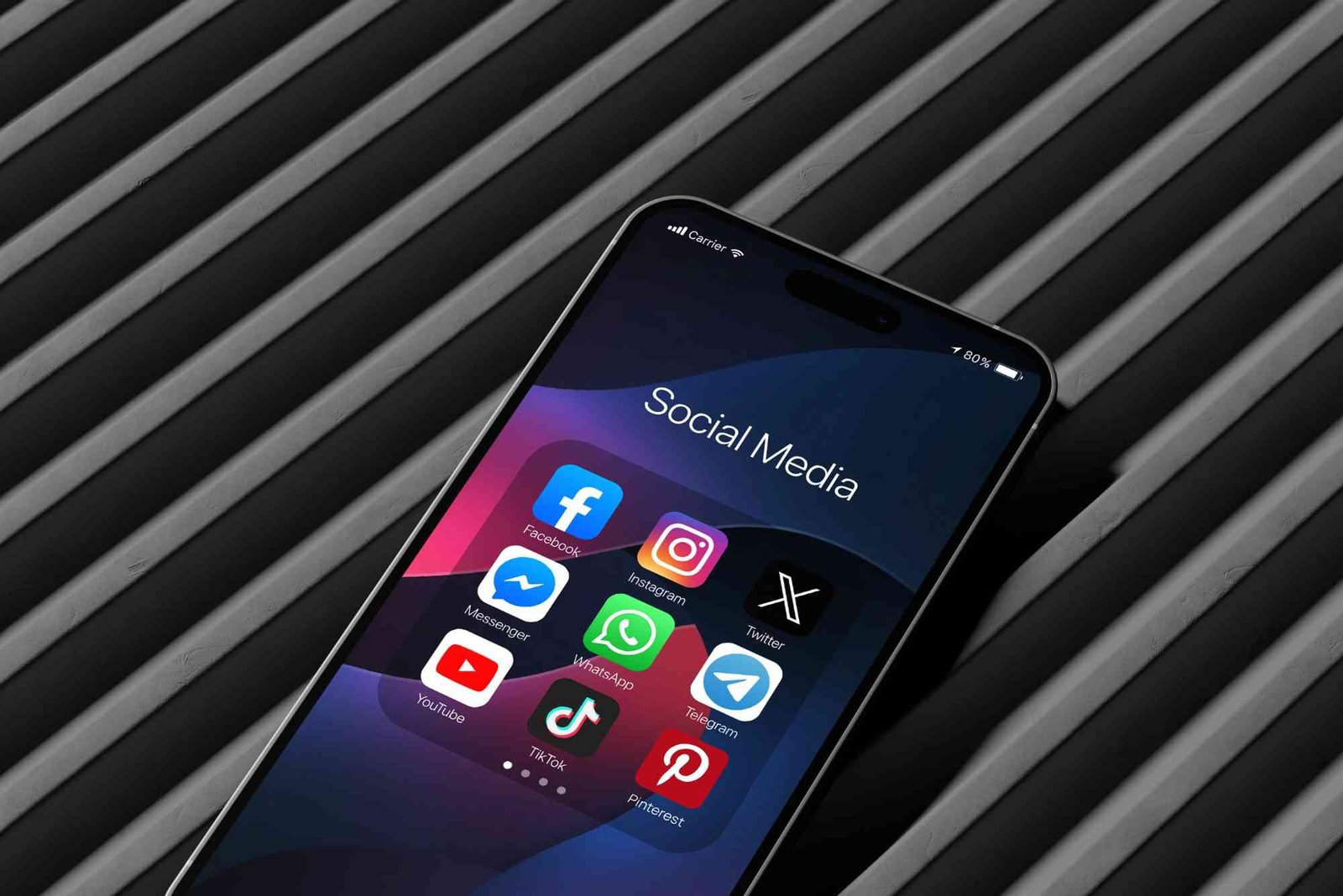
Social Media as a Primary Entertainment Source
Social media platforms have become entertainment hubs, not just communication tools.
Users now consume:
- Viral videos
- Memes
- Live streams
- Interactive polls
For marketers, social media is now a primary advertising channel, making it essential in modern media strategies.
User-Generated Content (UGC) Revolution
Audiences are no longer passive consumers—they are active creators.
Brands encourage users to:
- Create product-related videos
- Share experiences
- Participate in challenges
UGC builds authenticity and trust, reinforcing how how entertainment trends affect media and marketing through community-driven engagement.
Impact on Branding and Business Growth
Entertainment trends significantly influence how brands position themselves in the market.
Stronger Brand Awareness
Viral entertainment content increases visibility faster than traditional campaigns.
Higher Engagement Rates
Interactive and entertaining content leads to more likes, shares, and comments.
Better Customer Loyalty
Emotional storytelling builds long-term brand relationships.
These factors show how deeply how entertainment trends affect media and marketing across industries.
Challenges Marketers Face with Entertainment Trends
Despite opportunities, there are challenges:
Constant Algorithm Changes
Platforms frequently update algorithms, affecting content reach.
Short Attention Spans
Audiences quickly move from one trend to another.
High Competition
Thousands of brands compete for attention daily.
Content Saturation
Overproduction of content makes it harder to stand out.
Understanding these challenges is essential when analyzing how how entertainment trends affect media and marketing in real-world scenarios.
Future of Entertainment in Media and Marketing
The future is highly digital, immersive, and personalized.
Metaverse Marketing
Virtual environments will allow brands to create interactive experiences.
AI-Generated Content
AI will automate video creation, ads, and storytelling.
Hyper-Personalization
Every user will receive tailored entertainment and ads.
Voice and AR Integration
Smart assistants and augmented reality will enhance user engagement.
The evolution continues to redefine how how entertainment trends affect media and marketing globally.
Entertainment trends are no longer just cultural movements—they are powerful forces shaping modern media and marketing strategies. From short-form videos and influencer marketing to AI-driven personalization and gaming culture, every trend influences how brands communicate with their audiences.
To stay competitive, businesses must continuously adapt and align their strategies with evolving entertainment behaviors.
FAQs
How do entertainment trends affect marketing strategies?
Entertainment trends influence how brands create content, choose platforms, and engage audiences through short videos, influencers, and storytelling.
Why is entertainment important in media and marketing?
Entertainment captures attention, increases engagement, and helps brands connect emotionally with their audience.
What are the current entertainment trends in digital media?
Short-form videos, streaming platforms, influencer marketing, gaming, and AI-driven content are the major trends.
How does social media impact entertainment marketing?
Social media acts as both an entertainment source and marketing platform, allowing brands to reach audiences directly.
What is the future of entertainment in marketing?
The future includes AI-generated content, metaverse experiences, hyper-personalized ads, and immersive storytelling.