Introduction
Cooking should be a source of creativity and comfort — not chaos, confusion, and anxiety. Whether you’re a busy professional, a student living on your own, or someone who just wants tastier meals, learning how to cook better food without kitchen stress can transform your daily life. In this guide, you’ll discover practical strategies, mindset shifts, and actionable cooking habits to help you prepare delicious meals with confidence, ease, and joy.
The kitchen is one of the most important places in the home — it fuels our bodies, sparks connection with others, and can even be a creative outlet. And yet, for many of us, it’s also a source of stress. We worry about what to cook, how long it’ll take, whether it’ll turn out right — and suddenly, a simple dinner becomes overwhelming.
What if you could enjoy cooking again? What if you could learn how to cook better food without kitchen stress by building good habits, simplifying your process, and planning with purpose? This article will guide you through a smoother, more enjoyable cooking experience — one where great food doesn’t come at the expense of peace of mind.
Why Cooking Stress Happens
Before you can solve kitchen stress, it helps to understand why it shows up in the first place. Here are the most common reasons:
Time Pressure
Rushing to make a meal after work or school can leave you feeling flustered, especially if you’re unsure of what to make.
Lack of Planning
When you don’t know what you’re cooking until you open the fridge, stress increases — and bad decisions (like ordering takeout) are more likely.
Fear of Failure
Worrying that a dish will turn out bad can make you hesitant to even try. This fear often comes from comparing yourself to idealized recipes or food photos online.
Confusing Recipes
Some recipes are written in complicated ways, using unfamiliar techniques or ingredients that intimidate home cooks.
How to Cook Better Food Without Kitchen Stress: Core Strategies
Now that we know why stress happens in the kitchen, let’s walk through the practical steps that will help you cook better food without kitchen stress — consistently.
Start With Smart Planning
Good cooking begins long before you turn on the stove. Planning removes guesswork, shortens cooking time, and frees up mental space.
Create a Weekly Meal Plan
Decide what you’ll cook ahead of time. It doesn’t have to be fancy — just a list of meals for each day. This helps you shop efficiently and reduces last‑minute decisions.
Build a Flexible Recipe Bank
Collect 10–15 go‑to recipes that you enjoy and feel comfortable preparing. When stress hits, just choose one — no scrolling required.
Shop With a Purpose
Before you shop, review your meal plan and pantry. Make a grocery list that matches what you need. You’ll avoid extra trips and impulse buys, which can create frustration and waste.
Organize Your Kitchen for Success
A well‑organized kitchen reduces stress and makes cooking feel easier.
Zone Your Space
Group similar items together — spices, oils, baking supplies, utensils — so you can find everything quickly. For example:
- Cooking zone: oils, salt, pepper, spatulas near the stove.
- Prep zone: cutting board, knives, bowls on the countertop.
- Storage zone: containers and wraps in a designated drawer.
Keep Everyday Tools at Arm’s Reach
Make sure your most frequently used tools (like a chef’s knife, spatula, and cutting board) are easy to grab. This saves time and frustration.
Declutter Regularly
A cluttered kitchen creates a cluttered mind. Every few weeks, clear out expired items and things you don’t use — it’s like giving your kitchen a reset.
Master Simple Techniques
You don’t need Michelin‑star skills to cook great food. Focus on mastering a few basic techniques that work across many recipes.
Knife Skills Matter
Learning how to chop, dice, and mince efficiently will save you time and help your dishes cook more evenly.
Understand Heat Control
Knowing when to use low, medium, or high heat helps you cook food better without burning or undercooking it. For example:
- Medium heat: most everyday cooking.
- High heat: searing meat or quick sautéing.
- Low heat: simmering sauces or warming food.
Taste as You Go
Taste frequently while you’re cooking. Adjust salt, spices, and acidity (like lemon or vinegar) to make your food sing.
Use Time‑Saving Tools and Techniques
Modern kitchen tools and simple cooking methods can accelerate your process and reduce stress.
Slow Cooker & Instant Pot
These appliances let you set it and forget it. Just add ingredients and let them work their magic — ideal for soups, stews, and one‑pot meals.
Batch Cooking
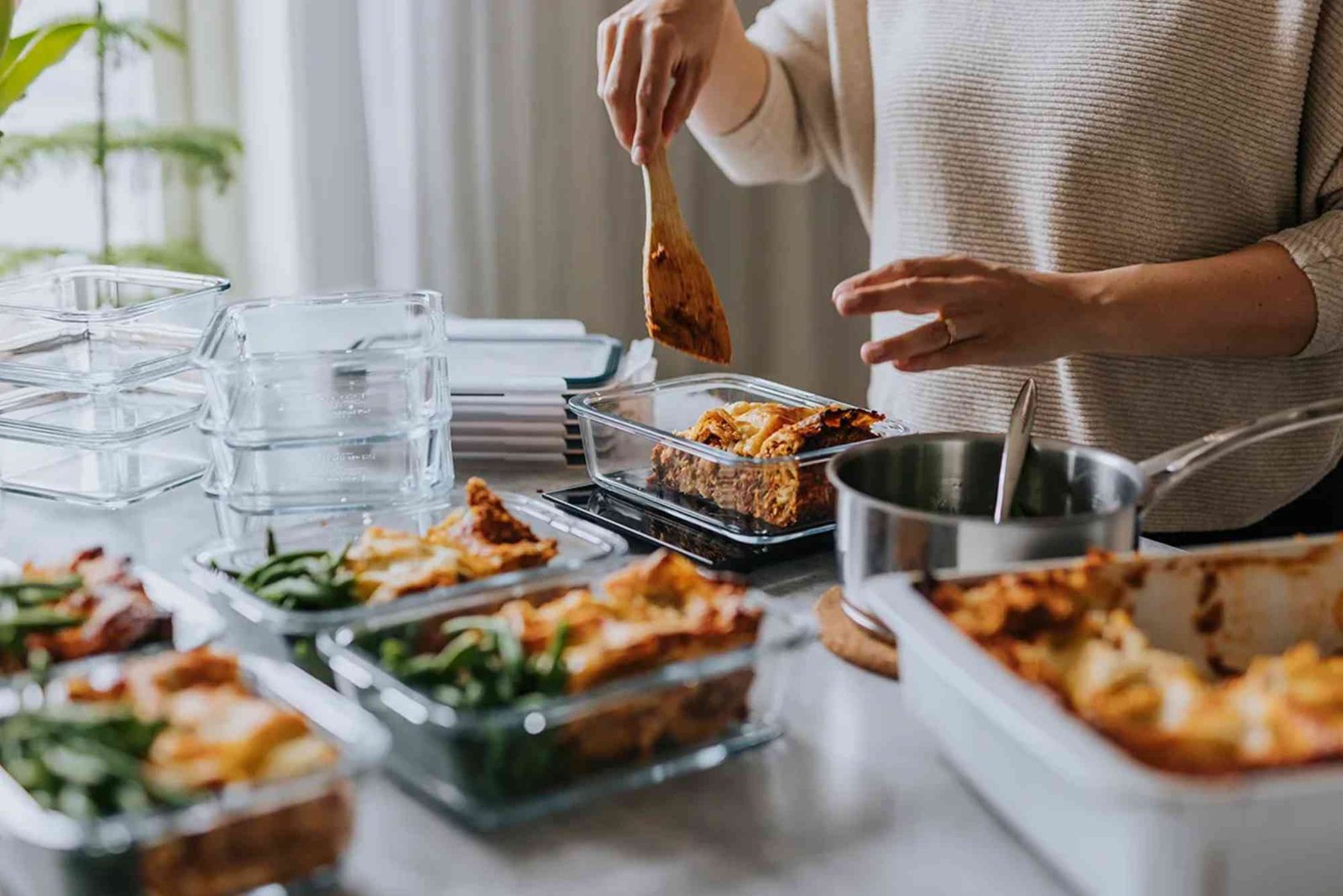
Cook a big batch of grains (like rice or quinoa) or proteins (like chicken or tofu) once and use them all week in different dishes.
Pre‑Chopped Ingredients
Buying pre‑chopped vegetables or using frozen produce can cut prep time significantly without sacrificing nutrition.
Build Flavor With Confidence
Excellent flavor doesn’t require complexity — just intention.
Season Step by Step
Instead of dumping all your seasonings at the end, season in layers:
- Salt while cooking vegetables
- Herbs and spices during cooking
- A final dash of acid or salt at the end
Use Fresh Herbs
A sprinkle of fresh herbs (like parsley, cilantro, or basil) just before serving brightens up your dish instantly.
Don’t Forget Fat
Healthy fats like olive oil, butter, or sesame oil add richness and help flavors bloom.
Keep Things Simple
You don’t have to make gourmet meals every night to eat well. Simplicity is the heart of how to cook better food without kitchen stress.
Learn 10 Simple Meals Really Well
Once you’re confident in a few dishes — like roasted chicken, stir‑fries, pasta with sauce, or hearty salads — you’ll find that stress fades.
Cook What You Like
Choose foods you actually enjoy eating. You’re more likely to feel motivated and less likely to get discouraged.
Celebrate Small Wins
Not every meal needs to be perfect. If it’s tasty and healthy, it’s a win.
Get Into a Routine
Habits make stress disappear over time. Here’s how to establish a healthy kitchen rhythm.
Set Prep Times
Choose specific time blocks for cooking and grocery planning — like Sunday evenings for meal prep.
Clean as You Go
Wash utensils, wipe surfaces, and toss scraps while you cook. A clean workspace reduces stress and makes cleanup faster.
Involve Others
Cooking can be easier and more enjoyable with help. Whether it’s prepping veggies, setting the table, or cleaning up, teamwork matters.
Handle Mistakes Like a Pro
Cooking mishaps happen to everyone — even chefs. Knowing how to respond will keep your confidence strong.
Learn From the Oversalt
If a dish is too salty, add something mild — like potatoes, rice, or acid (lemon juice or vinegar) — to balance it.
Burned Food? Adjust & Rescue
If part of your food overcooks, remove the burnt pieces, then adjust heat and seasoning. Next time, lower the temperature early.
Embrace Imperfection
Not every dish will be a masterpiece — and that’s okay. What matters is that you keep learning.
FAQs
Here are some popular questions people ask related to this topic.
How do I make cooking less stressful?
Start with meal planning, shop ahead, organize your kitchen, simplify recipes, and use tools that save time.
How can I improve my cooking skills quickly?
Focus on basic techniques, like proper seasoning, heat control, and knife skills. Practice meals you eat often.
What are some easy meals for busy people?
Stir‑fries, sheet pan dinners, one‑pot pastas, and slow cooker meals are simple, fast, and delicious.
Why does my food taste bland?
Often, it’s lack of seasoning. Add salt in stages, use herbs and spices, and finish with acid or fresh herbs to lift flavor.
Is meal prepping worth it?
Yes — when done right — because it reduces daily decisions, saves time, and helps you eat healthier.
Learning how to cook better food without kitchen stress doesn’t happen overnight — but it does happen with intention, consistency, and the right habits. Think of cooking as a skill that evolves the more you practice it. Soon, your kitchen will become a space of creativity and enjoyment rather than pressure.
Looking to start your day right? Top Food Ideas for Fresh Breakfast Menus bring delicious, healthy, and easy-to-make options to your table. From colorful smoothie bowls and avocado toast to protein-packed omelets and fresh fruit parfaits, these ideas make mornings exciting while keeping your meals nutritious and satisfying.