Introduction
Creating a truly enjoyable home setup is no longer a luxury—it has become part of modern lifestyle. Whether you enjoy movies, gaming, sports, or music, your environment plays a huge role in how immersive the experience feels. Learning how to build a better entertainment experience at home can completely transform the way you relax, connect, and enjoy your free time.
Today’s home entertainment is not just about having a TV. It is about combining visuals, sound, comfort, lighting, and smart technology to create a space that feels like your personal cinema, gaming lounge, or music studio. The good news is that you don’t need a massive budget. You just need the right strategy.
This guide explains practical, expert-backed steps to help you design a better entertainment experience at home that feels immersive, comfortable, and future-ready.
Understanding the Basics of a Home Entertainment Setup
Before upgrading anything, it’s important to understand what actually makes a system feel “premium.”
Visual Quality Matters Most
A high-resolution screen is the foundation of a better entertainment experience at home. Whether you use a smart TV or projector, clarity and color accuracy directly impact immersion.
- 4K resolution is now the standard for sharp detail
- HDR support improves contrast and brightness
- Screen size should match room distance
A well-placed screen can instantly upgrade your viewing experience without additional equipment.

Sound Creates Emotional Impact
Even the best visuals feel flat without proper audio. Sound is what makes movies intense and games realistic.
- Stereo sound is the minimum requirement
- Surround sound adds depth and direction
- Soundbars are a budget-friendly upgrade option
If you want a better entertainment experience at home, prioritize sound almost as much as visuals.
Comfort Enhances Engagement
You cannot enjoy entertainment if you are uncomfortable.
- Use supportive seating like recliners or cushioned sofas
- Maintain proper viewing height
- Avoid clutter in the viewing area
Comfort keeps you engaged for longer sessions without fatigue.
Choosing the Right Display for Your Space
Your screen choice determines the foundation of your setup.
Smart TVs for Everyday Use
Smart TVs are ideal for most households. They combine streaming apps, gaming support, and high-resolution display in one device.
- Easy setup
- Affordable range available
- Perfect for small to medium rooms
For anyone learning how to build a better entertainment experience at home, a smart TV is the most practical starting point.
Projectors for Cinema Feel
If you want a theater-like experience, projectors are unbeatable.
- Large screen projection
- Ideal for dark rooms
- Great for movie nights and sports
However, they require controlled lighting for best results.
Screen Size and Viewing Distance
A key mistake people make is choosing the wrong screen size.
- Small rooms: 43–55 inches
- Medium rooms: 55–75 inches
- Large rooms: 75 inches or projector setup
Correct sizing ensures eye comfort and better immersion.
Improving Audio for a Cinematic Feel
Sound is the secret weapon behind a better entertainment experience at home.
Soundbars for Simple Upgrade
Soundbars are compact, affordable, and powerful.
- Easy installation
- Clear dialogue enhancement
- Wireless subwoofer options available
They are perfect for beginners.
Surround Sound Systems
For a more advanced setup:
- 5.1 or 7.1 speaker systems
- Real directional audio experience
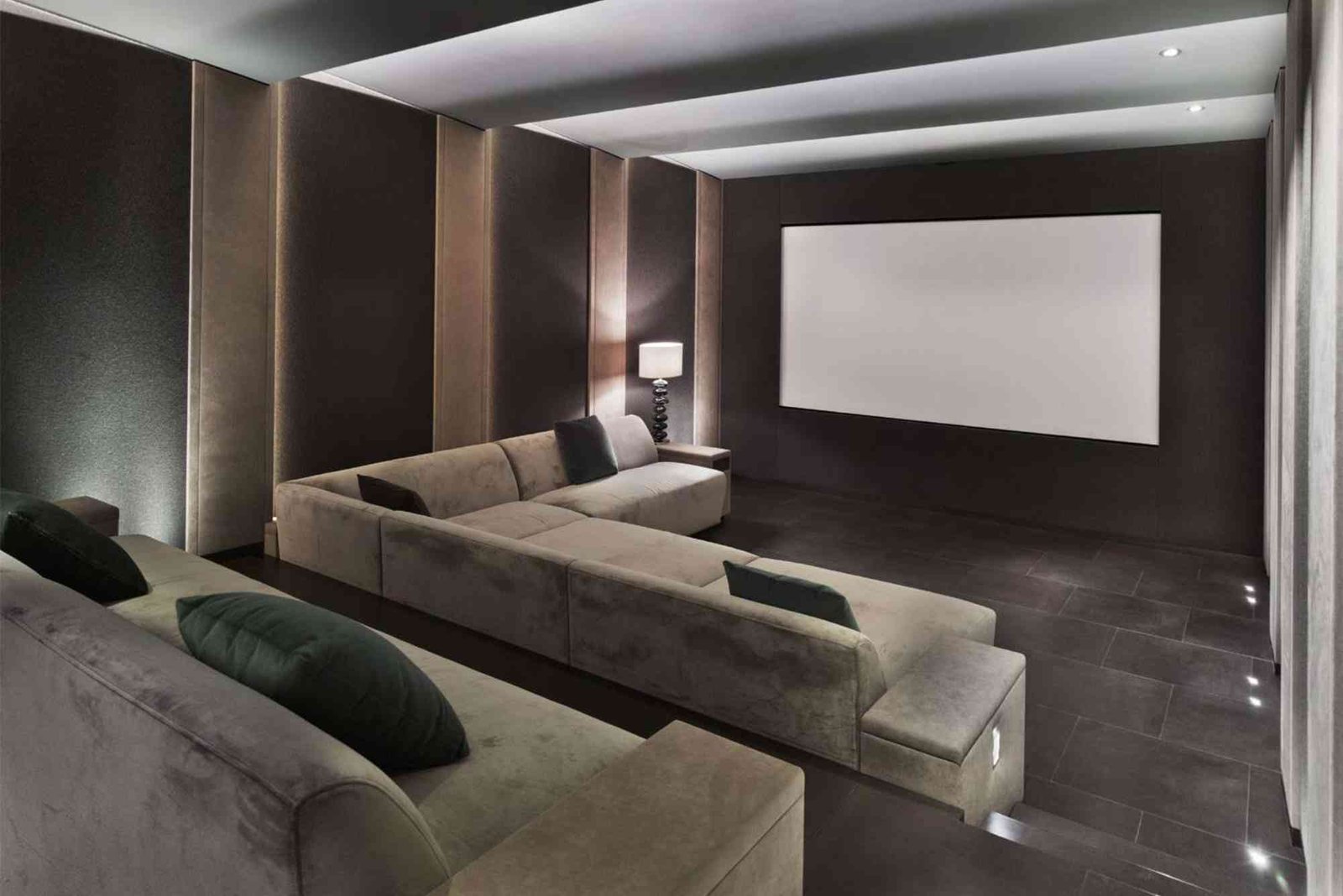
- Best for dedicated entertainment rooms
Acoustic Treatment at Home
Even small adjustments improve sound quality:
- Add curtains to reduce echo
- Use rugs for sound absorption
- Place speakers at ear level
These simple changes significantly upgrade your listening experience.
Lighting Design for Better Immersion
Lighting is often ignored, but it is critical for atmosphere.
Soft Ambient Lighting
Harsh lighting reduces screen clarity.
- Use warm LED lights
- Avoid direct ceiling glare
- Install dimmable bulbs
Bias Lighting Behind Screen
A subtle light behind your TV or monitor:
- Reduces eye strain
- Enhances contrast
- Improves visual depth
This is a simple but powerful trick for a better entertainment experience at home.
Smart Lighting Systems
Smart bulbs and strips allow you to:
- Change colors based on mood
- Sync lighting with movies or music
- Control brightness with apps
Optimizing Internet and Streaming Quality
Even the best setup fails without stable internet.
High-Speed Internet Connection
Streaming HD or 4K content requires:
- Stable broadband connection
- Minimum 25 Mbps for 4K streaming
- Wired connection for gaming stability
Router Placement Matters
Poor placement causes buffering and lag.
- Keep router central in the home
- Avoid walls and obstacles
- Use mesh Wi-Fi for large spaces
Device Optimization
- Close background apps
- Update streaming platforms
- Use quality HDMI cables
Smart Devices and Automation
Technology plays a huge role in modern entertainment systems.
Voice-Controlled Systems
Smart assistants help you control everything easily:
- Change volume
- Switch apps
- Control lights and devices
Universal Remote Systems
Instead of multiple remotes:
- Use one smart remote
- Control TV, sound, and streaming devices
- Simplifies user experience
Home Automation Integration
Advanced setups include:
- Automated lighting scenes
- Scheduled movie modes
- Smart climate control
This makes your space feel truly premium.
Gaming Setup for Interactive Entertainment
Gaming is a major part of home entertainment today.
Low-Latency Displays
Gamers need:
- High refresh rate (60Hz–120Hz or more)
- Low input lag
- Game mode settings
Comfortable Gaming Area
- Ergonomic chairs
- Proper screen distance
- Cooling and ventilation
Audio in Gaming
Directional sound improves gameplay:
- Helps detect movement
- Enhances immersion
- Adds competitive advantage
Creating a Multi-Purpose Entertainment Space
Modern homes often use one space for multiple activities.
Flexible Furniture Setup
- Movable seating
- Foldable tables
- Modular sofas
Zone-Based Layout
Divide your space into:
- Movie zone
- Gaming zone
- Music or relaxation zone
Minimalist Organization
Clutter reduces experience quality.
- Hide cables
- Use storage units
- Keep devices organized
Budget-Friendly Tips for Better Setup
You don’t need expensive gear to improve your experience.
Start with Upgrades That Matter Most
- Improve sound first
- Then upgrade display
- Finally add smart features
DIY Improvements
- Rearranging furniture
- Adding curtains or rugs
- Improving lighting
Gradual Investment Strategy
Build your system step-by-step instead of buying everything at once.
Common Mistakes to Avoid
Many people struggle because of avoidable errors.
Ignoring Room Size
Oversized screens or speakers can ruin balance.
Poor Cable Management
Messy cables reduce aesthetics and safety.
Overcomplicating Setup
Too many devices can make usage frustrating.
Future Trends in Home Entertainment
Technology continues to evolve rapidly.
8K Displays and Beyond
Sharper visuals will become standard in premium setups.
AI-Powered Recommendations
Smart systems will automatically adjust content settings.
Fully Immersive Experiences
Virtual reality and spatial audio will redefine entertainment.
Building a better entertainment experience at home is about combining smart choices, not just expensive equipment. When you balance visuals, sound, lighting, comfort, and technology, you create a space that feels immersive and enjoyable every single day.
FAQs
What is the best way to improve home entertainment?
The best way is to balance screen quality, sound system, lighting, and comfort. Upgrading audio and lighting often gives the fastest improvement.
What makes a good home entertainment system?
A good system includes a high-quality display, clear audio, stable internet connection, and comfortable seating arranged for immersion.
How can I improve my home theater on a budget?
Start with a soundbar, improve lighting with dim LEDs, and optimize seating position. These changes are low-cost but highly effective.
Do I need surround sound for a better experience?
Surround sound is not required but greatly enhances immersion, especially for movies and gaming.
What lighting is best for watching movies at home?
Soft, dimmable ambient lighting or bias lighting behind the screen works best for reducing eye strain and improving contrast.
Explore valuable insights, guides, and updates on our platform designed to help you stay informed and inspired. Visit our homepage for the latest articles, resources, and services that support your needs in one place. Stay connected and discover more at steptowns where quality content meets user-friendly experience. Learn more today and explore now.