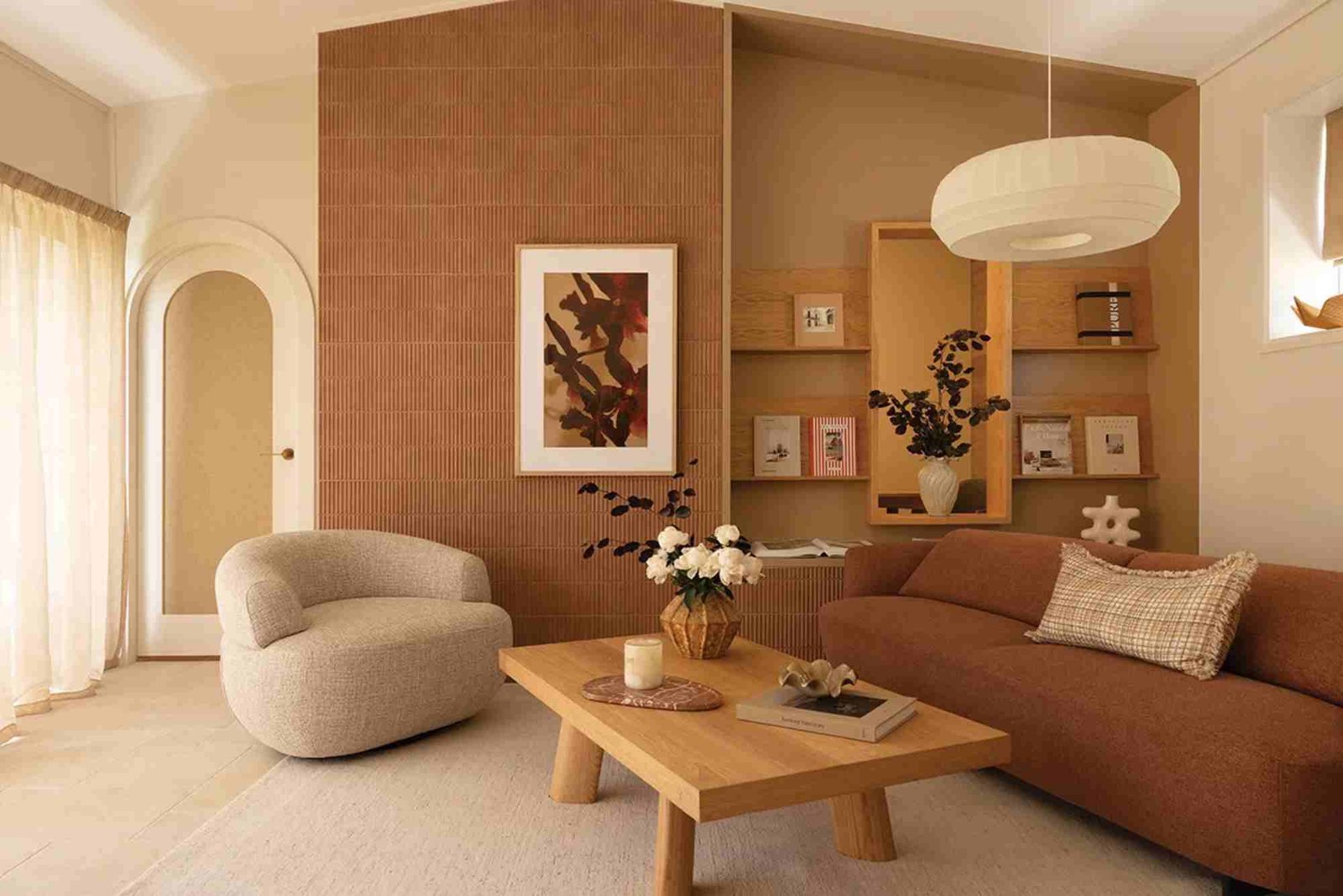
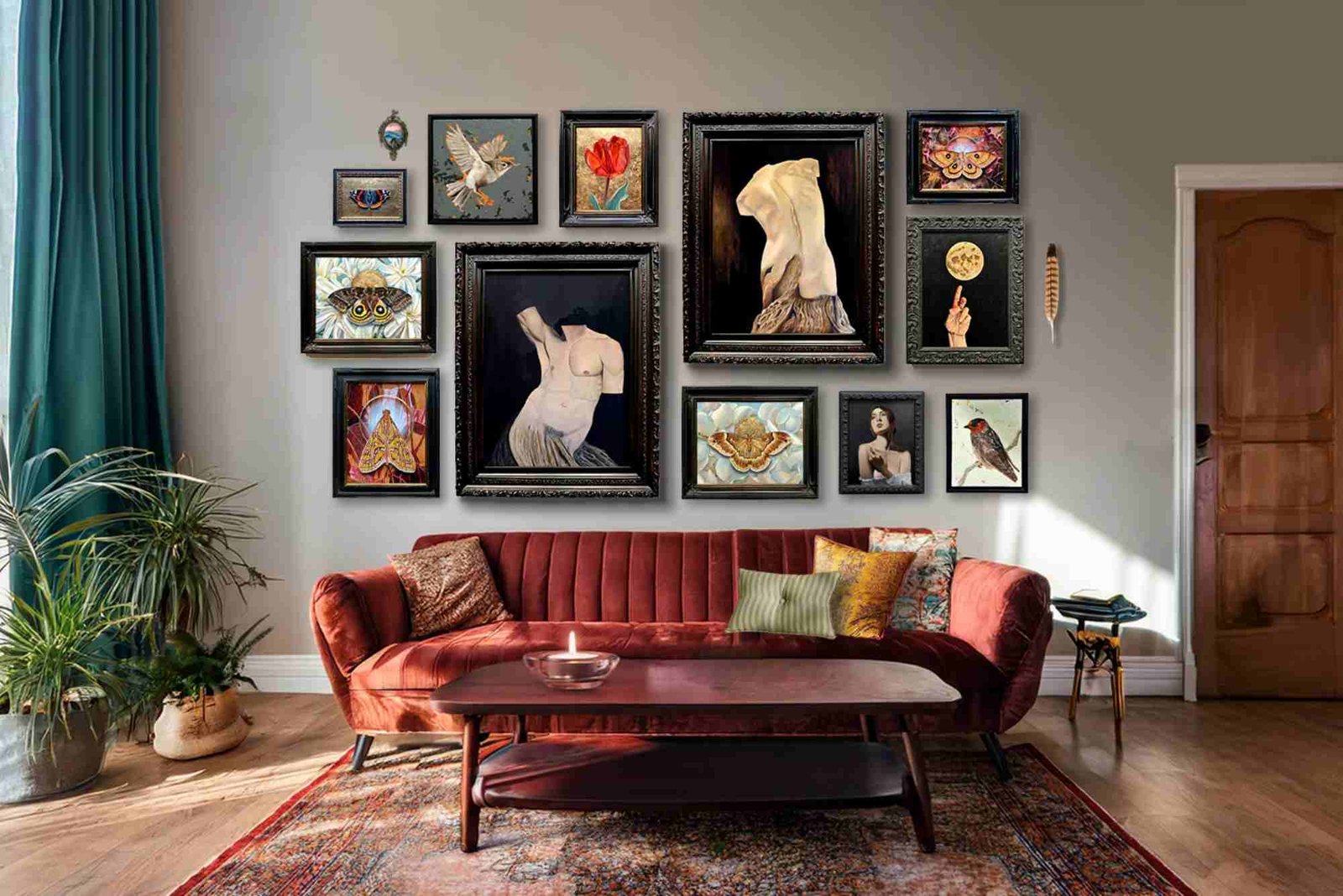
Introduction
Decorative pieces are the finishing touches that bring life and personality to a room. But when chosen incorrectly, they can make a space feel cluttered, mismatched, or disjointed. How to choose decorative pieces that truly fit your space isn’t just about picking what looks nice — it’s about thoughtful decisions grounded in design principles, purpose, and your personal aesthetic. In this guide, we’ll walk you through expert tips for selecting décor that aligns with your room’s style, function, and scale so your home feels intentional and beautiful.
Decorative pieces — from vases and wall art to throw pillows and sculptures — serve more than aesthetic purposes. They express individuality, set the tone of your home, and can even influence mood. Yet many people struggle with selecting items that truly fit their space. Often the result is overcrowding, style conflicts, or pieces that feel out of place.
The key lies in intentional selection: considering scale, color, texture, and purpose. This article reveals practical strategies on how to choose decorative pieces that truly fit your space, grounded in real design experience. Whether you’re decorating a new home or refreshing a room, these guidelines will help you curate pieces that enhance, rather than overpower, your environment.
Why Choosing the Right Decorative Pieces Matters
Decorative items may seem minor, but they play a major role in interior design.
Enhancing Visual Harmony
Decor pieces help unify a room’s aesthetic. Without them, spaces can appear flat, unfinished, or uninviting.
Reflecting Personal Style
The items you choose tell a story about who you are — your interests, experiences, and tastes.
Improving Functionality
Good décor doesn’t just look good — it serves a purpose. A beautiful bowl can organize keys, and an elegant tray can corral remotes.
Understand Your Space First
Before buying décor, assess your room. Knowing your space guides every subsequent choice.
Measure and Map the Room
By taking measurements, you avoid selecting pieces that are too large or too small.
- Measure wall lengths and ceiling height
- Use painter’s tape to eyeball potential décor placement
- Consider leaving breathing room around focal items
Identify the Room’s Purpose
Ask yourself: What function does this room serve?
- Living room: relaxation and hosting
- Bedroom: rest and comfort
- Dining room: gathering and meals
This context influences what décor will fit the space both visually and practically.
Know Your Style — and Stick to It
An inconsistent style dilutes the impact of decorative pieces.
Define Your Interior Design Style
Popular styles include:
- Minimalist
- Scandinavian
- Bohemian
- Traditional
- Modern farmhouse
Create a design board (physical or digital) to visually anchor your preferred aesthetic.
Choose Pieces That Reinforce Your Style
Decor items should enhance the style, not clash with it. For a minimalist space, for example, opt for sleek, simple décor rather than ornate displays.
Use Scale and Proportion Wisely
Many décor mistakes stem from disregarding scale.
What Is Scale in Design?
Scale refers to size in relation to other objects or the room itself. A tiny sculpture may get lost on a large table, while a tall vase might overwhelm a narrow console.
Tips for Balancing Scale
- Use larger pieces in spacious rooms
- Group smaller items together to create impact
- Avoid overly tall items in low-ceiling spaces
Rule of thumb: Establish a sense of balance — neither too sparse nor overcrowded.
Color and Texture Bring Depth
Color and texture influence how décor pieces tie into the overall palette.
Complement or Contrast?
Choose décor that either complements your color scheme or intentionally contrasts it to create a focal point. For example:
- A bold-colored vase on a neutral console
- Neutral décor paired with vibrant textiles
Incorporate Variety in Texture
Textures add depth:
- Woven baskets
- Glazed ceramics
- Velvet pillows
- Metal accents
Mixing textures prevents monotony and invites tactile interest.
Choose Functional Decorative Pieces
Functional décor blends beauty with utility.
Everyday Use Meets Aesthetics
Think beyond purely decorative items:
- Stylish trays that organize clutter
- Decorative baskets that hold blankets
- Elegant lamps for ambiance and lighting
Practical Sculptures and Art
Art and sculptures can be both decorative and thought-provoking. Select pieces that inspire emotion, spark conversation, or reflect personal values.
Arrange with Thoughtful Composition
Placement matters just as much as the pieces you choose.
Use Groupings to Create Interest
Group items in odd numbers (3, 5, 7) for dynamic visual appeal.
Example grouping ideas:
- A trio of candles with varied heights
- Three small framed photos on a shelf
- A set of decorative books with a sculpture
Anchor Focal Points
Choose a central element — such as a statement art piece — and arrange other décor around it. This helps rooms feel purposeful and curated.
Let Lighting Influence Your Choices
Lighting can make or break decorative impact.
Natural vs. Artificial Light
- Natural light brings out true colors
- Artificial light adds warmth and ambiance
Test how pieces look in both lighting conditions before final placement.
Highlight Feature Pieces
Use spotlights, wall sconces, or table lamps to draw attention to special décor.
Use Decorative Pieces to Tell a Story
Great décor is more than aesthetics — it reflects personal narratives.
Display Meaningful Objects
Family heirlooms, travel souvenirs, or handmade pieces add emotional value.
Curate with Intention
Ask: Does this piece resonate with me? If the answer is yes, it’s more likely to create a meaningful space.
Choosing decorative pieces that truly fit your space is both an art and a thoughtful process. By understanding your room’s dimensions, identifying your design style, and balancing scale, color, and function, you can curate décor that feels intentional and elevated. Decorative pieces should enhance your space — not overcrowd it.
Whether you’re refreshing a shelf, selecting a statement piece, or transforming an entire room, use these guidelines to choose decorative elements that feel right and reflect you. Start small, trust your instincts, and let your space tell your story.
FAQs
How do you know what decorative pieces to buy?
Start by assessing your space, style, and function. Choose items that complement your existing décor and serve a purpose, whether aesthetic or functional.
What is the rule for choosing décor accessories?
Focus on scale, balance, and harmony. Use groupings, mix textures, and avoid overcrowding. Odd-numbered groupings often provide visual interest.
How many decorative accessories should a room have?
There’s no fixed number, but ensure items are spread evenly without clutter. Less is often more — aim for purposeful décor that enhances the room’s feel.
Should decorative pieces match furniture?
Not exactly. Pieces should coordinate with your furniture’s style and color palette, but exact matching isn’t necessary. Contrast can add personality and depth.
How do I choose the right size décor for my space?
Measure surfaces and visualize with painter’s tape. Larger rooms need statement pieces while smaller rooms benefit from scaled-down décor or grouped small items.
Best Home Decor Ideas for Comfortable Apartment Life – Transform your apartment into a cozy haven with smart furniture, soft lighting, and personalized accents. Use multifunctional pieces, add indoor plants, and choose soothing colors to create a relaxing, stylish space that feels like home while maximizing comfort and practicality.