Introduction
Creating a living space that feels peaceful, balanced, and stylish is something many homeowners aspire to achieve. Top home styling ideas for better room harmony can transform any room from disjointed to delightful, making your home feel more cohesive and welcoming. In this guide, we’ll explore practical, design-forward strategies that improve the way your space looks and feels.
Every room should serve a purpose beyond just filling space — it should feel balanced, intentional, and harmonious. This is where top home styling ideas for better room harmony come into play. Room harmony isn’t just about matching colors or following trends; it’s about blending function with beauty so that your home flows with ease from room to room. Whether you’re styling your living room, bedroom, kitchen, or home office, these expert tips will help you create spaces that feel calm, coordinated, and truly yours.
The Principles of Room Harmony
To understand how to style your home successfully, it’s important to first grasp the design principles that cultivate harmony.
Balance
Room balance refers to how visual weight is distributed. Think of balance as the way your eyes move comfortably through a space — not too heavy on one side, light on the other.
- Symmetrical Balance: Matching furniture and accessories on either side (ideal for formal spaces).
- Asymmetrical Balance: Different pieces that weigh similarly in visual impact (great for casual, modern interiors).
- Radial Balance: Everything arranged around a central point, like a circular rug or coffee table.
Proportion and Scale
When decorating, ensure that furniture and décor are in proportion to the room size. A massive sectional might overpower a small room, while tiny décor might get lost in a large space.
Rhythm
Visual rhythm creates movement — guiding your eye through repetition, contrast, and patterns. Incorporate rhythm through consistent materials, colors, or shapes.
Unity and Variety
Unity brings cohesion, while variety adds interest. Too much similarity can feel monotonous; too much variety can look chaotic. Good styling strikes a balance.
Planning Your Space for Harmony
Great styling always starts with a plan.
Assessing Your Room’s Purpose
Before styling, ask: What is this room for? Is it for relaxing, working, entertaining, or all of these? Everything else flows from this answer.
Mapping Traffic Flow
Observe how people move through the room. Ensure furniture doesn’t block natural pathways — this creates a visual and functional disruption that harms harmony.
Color & Texture: The Foundation of Harmony
Color and texture are powerful tools in creating a unified space.
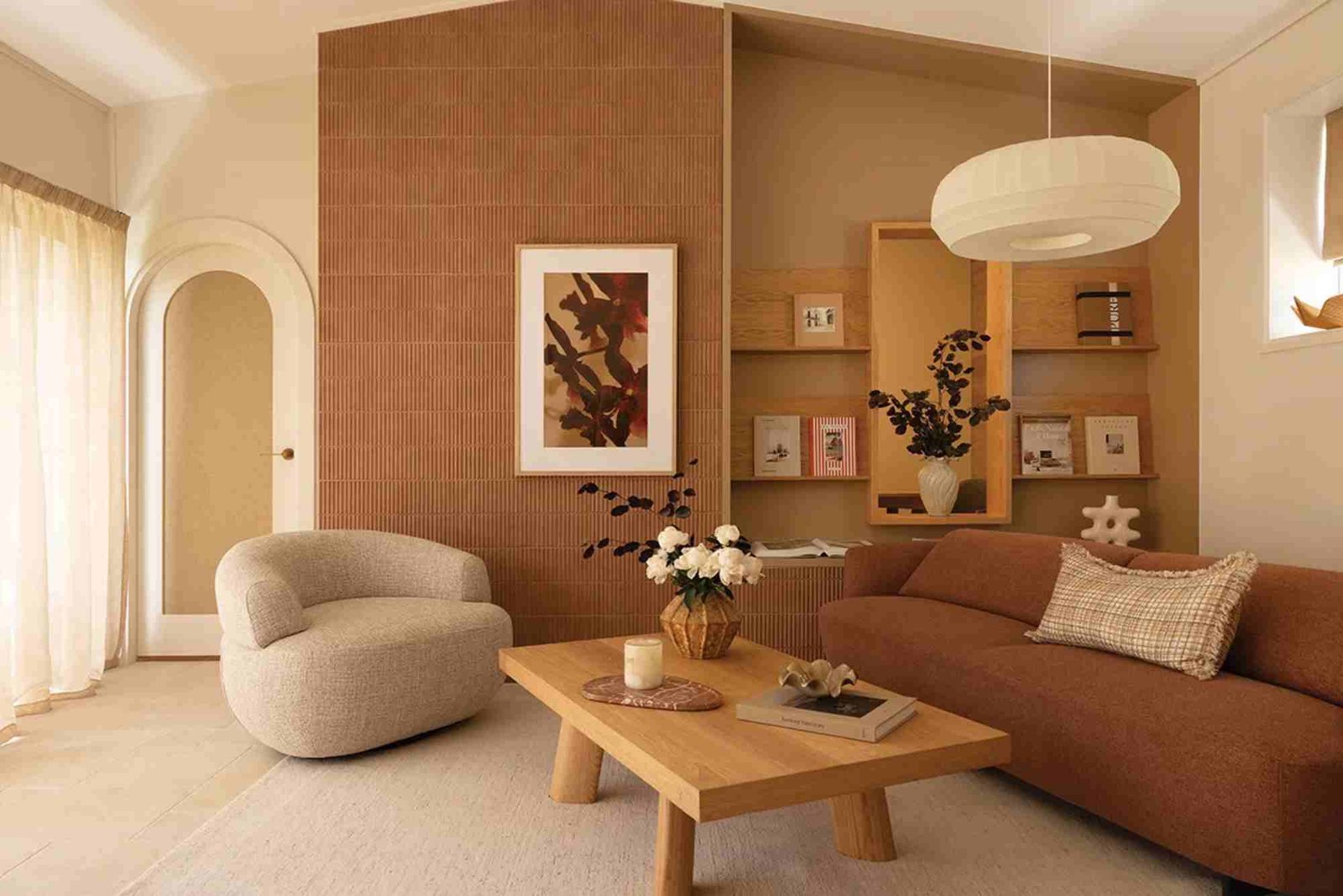
Choosing a Cohesive Color Palette
A well-thought color palette acts like a visual roadmap that guides harmony.
Use the 60-30-10 Rule
- 60% dominant color (walls, large pieces)
- 30% secondary color (furniture, textiles)
- 10% accent color (decor and accessories)
This classic formula ensures balance and prevents color overload.
Warm vs Cool Tones
Warm tones (beige, caramel, soft reds) bring cozy vibes; cool tones (blue, gray, green) evoke calm and sophistication. A mix — when done thoughtfully — gives depth without chaos.
Furniture Placement That Promotes Harmony
Arranging furniture strategically sets the foundation for an inviting room.
Anchor the Space
Start with the largest piece — often the sofa or bed — and build around it. Anchoring creates a focal point that brings everything together.
Conversation Zones
In living rooms, arrange seating so that people naturally face each other, fostering connection and a sense of intentional design.
Leave Breathable Space
Don’t cram furniture against walls or crowd corners. Leaving breathing room around pieces helps maintain flow and openness.
Lighting That Elevates Mood and Harmony
Lighting can dramatically change how a room feels.
Layered Lighting
Layer your lighting with:
- Ambient (general lighting): overhead ceiling lights
- Task lighting: reading lamps, under‑cabinet kitchen lights
- Accent lighting: wall sconces, spotlights on artwork
Each layer adds depth and warmth without overwhelming the senses.
Natural Light Integration
Maximize daylight by using light curtains or strategic mirror placement. Natural light enhances color fidelity and makes spaces feel more inviting.
Stylistic Touches That Speak to Harmony
Little details often make the biggest impact.
Textiles and Fabrics
Use fabrics to unify and soften your space:
- Throws and cushions in complementary colors
- Rugs that anchor sitting areas
- Curtains that echo wall tones or accent colors
Texture variety — like linen, wool, and jute — adds depth without clashing.
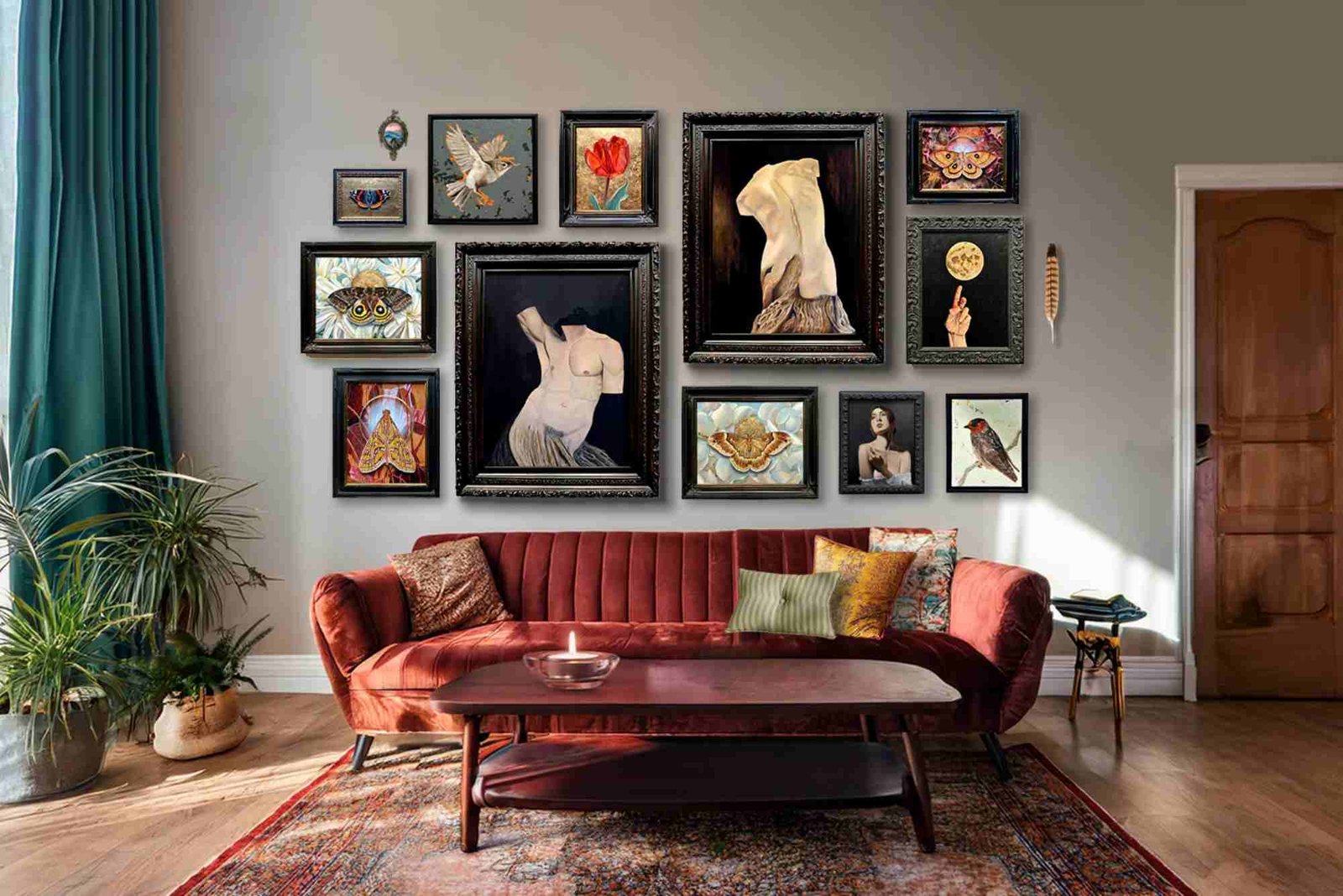
Art and Wall Décor
Choose pieces that reflect the room’s palette and mood. When selecting multiple pieces:
- Group artwork with a consistent frame style
- Maintain spacing for visual rhythm
Art shouldn’t just decorate — it should harmonize.
Accessories That Tell a Story
Decor should reflect personality without clutter. Curate objects in odd numbers (3s or 5s) for natural visual appeal, and avoid overly matchy decorations that feel staged.
Harmony by Function: Room‑Specific Styling
Each room has its own harmony challenges — let’s address them.
Living Room
- Arrange furniture to promote connection and ease.
- Choose a focal point (entertainment console or fireplace).
- Use area rugs to define zones.
Bedroom
- Prioritize soothing colors and soft textures.
- Keep nightstands balanced with symmetrical lamps.
- Limit distractions near the bed (clutter steals calm).
Kitchen
- Style shelves with function and form in mind.
- Group similar items for unity (e.g., ceramic containers).
- Use sleek appliances to maintain visual balance.
Home Office
- Choose a desk facing natural light.
- Use storage solutions to avoid visual noise.
- Add plants or art for calm and inspiration.
Practical Styling Tips from Real Designers
Here are expert secrets to ensure harmony without guesswork.
Edit, Edit, Edit
Spaces feel chaotic when cluttered. Adopt a minimalist mindset — keep only what you love or need.
Anchor with Rugs
Rugs unify seating, link disparate furniture, and define zones — especially in open‑plan homes.
Use Mirrors Wisely
Mirrors reflect light and expand space visually. Place them opposite windows for added brightness.
Keep Scale in Mind
A tiny lamp on a large sofa table looks awkward; a large mirror over a tiny console feels overwhelming. Scale matters.
Avoiding Common Styling Mistakes
Harmony is easy to disrupt if you fall into common styling traps.
Too Many Competing Colors
Stick to your chosen palette. Random pops of color can look chaotic unless intentional.
Ignoring Negative Space
Empty doesn’t mean unfinished. Negative space gives your eyes a place to rest.
Over‑Styling Surfaces
Countertops and tabletops don’t need to be filled. Let them breathe — showcase fewer, meaningful items instead.
Achieving beautiful, balanced rooms doesn’t require a complete redesign or expensive purchases. With top home styling ideas for better room harmony, you can make thoughtful adjustments that elevate both how your space looks and feels. Align your colors, plan your furniture, adjust lighting thoughtfully, and edit with intention. Harmony is about cohesion, comfort, and curated design — creating spaces where you really want to be.
Start with one room this weekend! If you’re looking for personalized styling advice or professional guidance, reach out now — let’s make your home not just beautiful, but harmonious.
FAQs
What are simple home styling ideas for beginners?
Beginners can start with:
- Defining a color palette
- Adding area rugs
- Rearranging furniture for flow
- Adding greenery for life and texture
These are easy but impactful changes.
How do I create harmony in a mismatched room?
Unify mismatched elements by:
- Using a consistent color theme
- Balancing scale and proportion
- Choosing accessories that tie disparate pieces together
How important is lighting for room harmony?
Lighting is critical. It sets mood, emphasizes design focal points, and balances color perception throughout the day.
Can small rooms feel harmonious too?
Yes! Use light colors, multi‑functional furniture, and reflective surfaces to maximize space and perception of openness.
What makes a room feel balanced?
A room feels balanced when:
- Visual weight is distributed evenly
- Colors flow naturally
- Furniture fits the scale of the space
- There’s enough breathing room around key pieces
How to Choose Decorative Pieces That Truly Fit Your Space – Selecting decor that complements your room is all about balance. Consider the size, color, and style of your space before adding pieces. Choose items that reflect your personality while enhancing functionality, ensuring each piece feels intentional and harmonizes with your overall design.